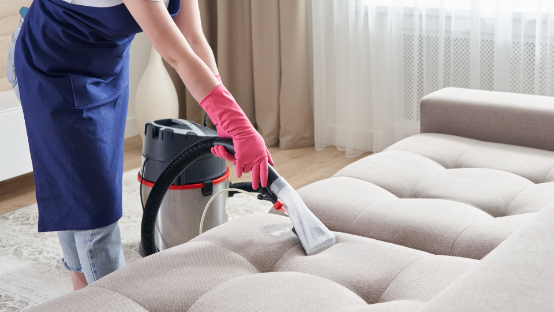
Melbourne is frequently cited as the world's hayfever capital, but while "Wattle Season" gets the blame, the real culprits are winter mould spores and the impending grass pollen surge. A professional allergy-proofing approach involves three tiers: deep HEPA extraction, HVAC sanitisation, and structural moisture control, all timed for August to get ahead of 2026's predicted high-pollen spring.
The Science of the "Melbourne Sneeze"
As we approach the end of August, Victoria's soil moisture levels are at a three-year high. While this is great for parks and reserves, it's a warning sign for allergy sufferers. High soil moisture drives vigorous growth of Rye Grass, the primary trigger for Melbourne's notorious "Thunderstorm Asthma" events. Preparing your home's indoor environment now, before the pollen peaks, is significantly more effective than reacting to symptoms in October.
Tier 1: The HEPA Extraction (Beyond the Surface)
Standard domestic vacuums often recirculate fine allergens rather than capturing them. To truly allergy-proof a Melbourne home in 2026, industrial HEPA (High-Efficiency Particulate Air) filtration is essential.
- Target: Micro-dust and mould fragments trapped deep in carpets and upholstery fibres.
- The Benefit: Reduces Total Volatile Organic Compounds (TVOCs) and removes 99.97% of particles as small as 0.3 microns, the size range that lodges deepest in the respiratory tract.
Tier 2: The HVAC "Lungs" of the Home
Under 2026 Victorian Energy Standards, most Melbourne homes are now more airtight to reduce heating costs. The unintended consequence is that this "seal" also traps indoor pollutants and circulates them continuously.
- Duct Cleaning: If your ducted heating hasn't been cleaned since last summer, you are circulating six months of stagnant dust, mould fragments, and pet dander every time the system runs.
- Filter Grades: Upgrade to a MERV-13 or higher filter during the August–October transition period to capture airborne pollens before they settle on soft furnishings. See our duct cleaning service for professional HVAC sanitisation.
Tier 3: The Mould-Pollen Connection
August is when "Winter Mould" meets "Spring Pollen." Mould spores suppress and irritate the respiratory system, making you significantly more reactive to the wattle and grass pollens arriving from outside.
- Identify: Use a hygrometer to ensure your indoor humidity stays between 30–50%. Above 60% is the threshold at which mould colonies accelerate.
- Remediate: Treat condensation in window tracks immediately, these are the primary entry points for both moisture ingress and external allergens tracking indoors.
Melbourne Allergy-Proofing Checklist (August Prep)
- Window Track Detail: Remove the black soot, a mix of pollution particulates and mould, that accumulates in sliding window and door tracks throughout winter.
- Soft Furnishing Steam: Carpets and curtains act as filter mats for pollen. Steam cleaning at 70°C or above kills dust mites on contact and denatures the proteins that trigger allergic reactions.
- Entry Zone Management: Place high-quality mats at all entry points and adopt a "shoes off" policy to prevent outdoor pollens from being tracked into bedrooms and living areas.
Hayfever tip: Contrary to popular belief, Wattle pollen is too heavy to travel far in the air. Most "Wattle Season" symptoms in Melbourne are actually caused by late-winter mould spores or early-flowering grasses that bloom at the same time. Addressing indoor mould first will have a greater impact on your symptoms than any antihistamine.
Frequently Asked Questions
Is Wattle the main cause of hayfever in Victoria?
No, this is one of the most persistent misconceptions in Melbourne. Wattle pollen grains are too large and heavy to be widely airborne. Most symptoms attributed to wattle are actually triggered by late-winter mould spores or early-season Rye Grass pollen, which flowers at the same time and is far more allergenic.
How often should I clean my house for allergies in Melbourne?
During the peak season (August–December), a professional deep clean every 8 weeks is recommended, supplemented by bi-weekly HEPA vacuuming and daily surface wiping with damp microfibre cloths to capture allergens before they become airborne again.
Don't get caught in the cold. Book your professional Melbourne property service with Spot On today.
Related Articles
View all
Need Professional Help?
Let Spot On handle it for you. We offer a 100% satisfaction guarantee on all our services across Melbourne.